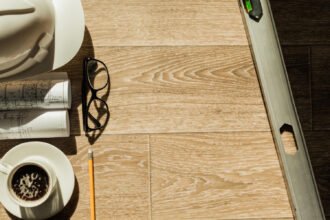
When it comes to premium flooring options that blend natural beauty, durability, and long-term value, white oak solid hardwood flooring stands in a class of its own. Revered for its elegant grain patterns, neutral tones, and exceptional strength, white oak flooring has become a top choice for homeowners, interior designers, builders, and architects alike. Whether you are renovating a traditional home or designing a modern space, white oak solid hardwood flooring offers unmatched versatility and sophistication.
In this detailed guide, we will explore everything you need to know about white oak solid hardwood flooring—its features, benefits, durability, design flexibility, maintenance, and why it continues to be one of the most sought-after flooring options in residential and commercial spaces.
What Is White Oak Solid Hardwood Flooring?
White oak solid hardwood flooring is crafted from 100% natural white oak wood, milled from a single piece of timber. Unlike engineered flooring, solid hardwood planks are made entirely of real wood, allowing them to be sanded and refinished multiple times over their lifespan.
White oak is a North American hardwood species known for its tight grain structure, high density, and light-to-medium brown color palette with subtle golden or gray undertones. Its natural resistance to moisture and wear makes it especially suitable for long-lasting flooring installations.
Why Choose White Oak Solid Hardwood Flooring?
1. Exceptional Durability and Strength
White oak is one of the hardest domestic hardwood species, ranking high on the Janka hardness scale. This means it can withstand heavy foot traffic, furniture movement, and daily wear without showing signs of damage easily.
Because of its dense cellular structure, white oak is less prone to dents, scratches, and warping, making it ideal for living rooms, hallways, dining areas, and even light commercial spaces.
2. Timeless Aesthetic Appeal
One of the biggest advantages of white oak solid hardwood flooring is its timeless beauty. Its natural grain patterns range from straight and uniform to slightly wavy, offering visual interest without overpowering the space.
White oak’s neutral color tones allow it to complement:
-
Modern interiors
-
Rustic farmhouse styles
-
Scandinavian designs
-
Traditional and classic homes
-
Luxury and minimalist spaces
It pairs beautifully with light, dark, or natural finishes, making it a favorite among designers.
3. Versatile Design and Finish Options
White oak solid hardwood flooring can be customized with a wide variety of finishes and stains. Popular options include:
-
Natural matte finishes
-
Light or whitewashed stains
-
Warm honey or golden tones
-
Modern gray and greige shades
-
Dark espresso or walnut-inspired hues
Its consistent grain accepts stains evenly, allowing homeowners to achieve the exact look they desire. Whether you prefer a sleek contemporary vibe or a warm, rustic feel, white oak adapts effortlessly.
4. Long Lifespan and Refinishing Potential
Unlike many flooring options that need replacement after a decade or two, white oak solid hardwood flooring can last 50 to 100 years or more with proper care. One of its greatest advantages is the ability to be sanded and refinished multiple times, restoring its original beauty even after years of use.
This makes white oak flooring a cost-effective long-term investment, increasing both the durability and resale value of your property.
5. Improved Indoor Air Quality
White oak solid hardwood flooring is an excellent choice for health-conscious homeowners. Unlike carpets, it does not trap dust, allergens, pet dander, or mold. This makes it ideal for people with allergies or respiratory sensitivities.
Additionally, solid hardwood flooring contains no harmful chemicals or VOCs, especially when finished with low-VOC or natural oil-based products.
White Oak vs. Red Oak: Why White Oak Is Preferred
Although both white oak and red oak are popular hardwood options, white oak often takes the lead due to several advantages:
-
Tighter grain structure
-
Better moisture resistance
-
Slightly harder and more durable
-
More neutral and modern color tones
-
Greater stain versatility
These features make white oak especially suitable for contemporary interiors and high-traffic environments.
Ideal Applications for White Oak Solid Hardwood Flooring
White oak solid hardwood flooring is incredibly versatile and can be used in:
-
Living rooms
-
Bedrooms
-
Dining rooms
-
Hallways and corridors
-
Home offices
-
Boutique stores and showrooms
-
Luxury residential projects
While solid hardwood is not recommended for below-grade installations (such as basements), it performs exceptionally well in above-ground spaces with controlled humidity levels.
Installation Considerations
Professional installation is recommended to ensure the longevity and performance of white oak solid hardwood flooring. Common installation methods include:
-
Nail-down installation
-
Staple-down installation
Proper acclimation before installation is crucial, allowing the wood to adjust to the room’s temperature and humidity levels. This helps prevent expansion, contraction, or gaps over time.
Maintenance and Care Tips
Maintaining white oak solid hardwood flooring is simple and straightforward:
-
Sweep or vacuum regularly to remove dust and debris
-
Use a damp (not wet) microfiber mop for cleaning
-
Avoid harsh chemicals or abrasive cleaners
-
Place felt pads under furniture legs
-
Use area rugs in high-traffic zones
-
Maintain consistent indoor humidity levels
With proper care, white oak flooring retains its elegance for decades.
Sustainability and Eco-Friendliness
White oak is a renewable and sustainable hardwood species when sourced responsibly. Many manufacturers follow eco-friendly forestry practices, ensuring minimal environmental impact.
Additionally, the long lifespan of solid hardwood flooring reduces waste, making it a more sustainable choice compared to frequently replaced flooring options like laminate or vinyl.
Increased Property Value
Homes with solid hardwood flooring, especially premium materials like white oak, often command higher resale values. Buyers appreciate the durability, natural beauty, and prestige associated with solid hardwood floors, making white oak a smart investment for homeowners and developers.
Why White Oak Solid Hardwood Flooring Is Worth the Investment
While white oak solid hardwood flooring may have a higher upfront cost compared to engineered wood or synthetic alternatives, its long-term benefits far outweigh the initial expense. Its durability, refinishing potential, timeless appeal, and ability to enhance property value make it one of the most rewarding flooring investments available today.
Final Thoughts
White oak solid hardwood flooring represents the perfect balance of beauty, strength, and longevity. Its neutral elegance, exceptional durability, and adaptability to various design styles make it a top-tier flooring choice for modern and traditional spaces alike.
Whether you are building a new home, remodeling an existing space, or upgrading your interiors, white oak solid hardwood flooring delivers unmatched quality and lasting value. With proper installation and care, it becomes more than just a floor—it becomes a foundation for timeless living.