Choosing the right flooring is one of the most important decisions when building or renovating your home. Hardwood floors have always been a symbol of elegance, durability, and timeless beauty. However, today homeowners often find themselves comparing two popular options: engineered flooring and solid hardwood flooring. Both offer natural wood appeal, but they differ in construction, performance, cost, and installation.
In this detailed guide, we’ll explore the differences between engineered and solid hardwood flooring to help you decide which option is best for your home.
What Is Solid Hardwood Flooring?
Solid hardwood flooring is made from a single, solid piece of natural wood. Each plank is milled from one species of hardwood such as oak, maple, walnut, or hickory. It typically comes in thicknesses of ¾ inch and is installed using nails or staples over a wooden subfloor.
Key Features of Solid Hardwood:
- Made from 100% natural wood
- Can be sanded and refinished multiple times
- Long lifespan (50–100+ years with proper care)
- Adds strong resale value to homes
- Traditional and authentic appearance
Because it is solid wood throughout, it reacts naturally to humidity and temperature changes. This can cause expansion and contraction over time.
What Is Engineered Flooring?
Engineered flooring is constructed using multiple layers. The top layer is real hardwood veneer, while the core layers are made of plywood or high-density fiberboard (HDF). These layers are cross-laminated, meaning they are placed in opposite directions to improve stability.
Key Features of Engineered Flooring:
- Real hardwood top layer
- Multi-layer construction for added stability
- Resistant to moisture and temperature changes
- Can be installed in basements and condos
- Often available in wider planks and modern finishes
Engineered flooring offers the same natural wood look as solid hardwood but with improved structural stability.
Appearance: Do They Look Different?
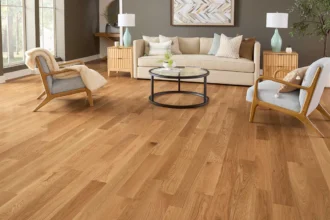
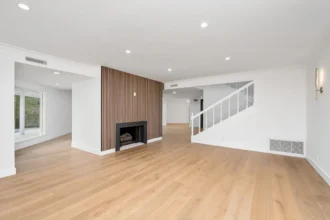
One of the most common questions homeowners ask is whether engineered flooring looks different from solid hardwood. The answer is simple: No, not visually.
Both options use real hardwood as the surface layer. Whether you choose white oak, maple, or walnut, the appearance will be nearly identical. The difference lies beneath the surface.
However, solid hardwood often offers:
- Thicker planks
- Traditional narrow board styles
- Classic finishes
Engineered flooring typically offers:
- Wider planks
- Trendy textures like wire-brushed or matte finishes
- Pre-finished options
If appearance is your primary concern, both options can meet your expectations.
Durability and Lifespan
Solid Hardwood Durability
Solid hardwood is extremely durable and can last for generations. Because it is thick throughout, it can be sanded and refinished multiple times—sometimes up to 7–10 times depending on thickness. This makes it ideal for long-term homeowners.
However, it is sensitive to:
- High humidity
- Water exposure
- Basement installations
Engineered Flooring Durability
Engineered flooring is designed to be more dimensionally stable. The cross-layer construction reduces expansion and contraction. This makes it suitable for:
- Condos
- Basements
- Areas with fluctuating humidity
The lifespan depends on the thickness of the hardwood veneer. Higher-quality engineered flooring with a thick wear layer can also be refinished once or twice.
Moisture Resistance
Moisture is one of the biggest differences between the two options.
- Solid hardwood is not recommended for basements or areas with high humidity because it can warp or cup.
- Engineered flooring performs better in humid climates and below-grade installations.
If you live in a region with extreme seasonal changes or high humidity, engineered flooring may be the safer choice.
Installation Process
Solid Hardwood Installation
- Usually nailed or stapled to a plywood subfloor
- Requires professional installation
- Takes longer to complete
- Not suitable for direct installation over concrete
Engineered Flooring Installation
- Can be nailed, glued, or floated
- Can be installed over concrete
- Easier and faster installation
- Suitable for DIY in some cases
Engineered flooring offers more flexibility when it comes to installation methods.
Cost Comparison
Cost varies depending on wood species, quality, and brand. However, here is a general comparison:
Solid Hardwood
- Higher material cost
- Higher installation cost
- Long-term investment
- Higher resale value
Engineered Flooring
- Often more affordable
- Lower installation cost
- Good balance of quality and price
- Ideal for budget-conscious renovations
While solid hardwood may cost more upfront, it can add significant long-term value to your home.
Maintenance and Care
Both flooring types require similar maintenance:
- Regular sweeping or vacuuming
- Avoid excessive water
- Use protective pads under furniture
- Maintain indoor humidity levels
Solid hardwood can be refinished multiple times, which extends its life. Engineered flooring with a thinner wear layer has limited refinishing capability.
Environmental Impact
Engineered flooring is often considered more environmentally friendly because it uses less solid hardwood. The plywood core maximizes the use of raw materials.
Solid hardwood, on the other hand, uses a full plank of natural wood, which may involve more raw timber.
If sustainability is important to you, look for products certified by responsible forestry organizations.
Best Rooms for Each Option
Choose Solid Hardwood For:
- Living rooms
- Bedrooms
- Dining rooms
- Main floor areas
- Long-term homes
Choose Engineered Flooring For:
- Basements
- Condos
- Kitchens (with caution)
- Areas with moisture concerns
- Apartments
Resale Value
Solid hardwood is often viewed as a premium feature and may increase property value more significantly. Many homebuyers prefer traditional solid hardwood flooring.
However, high-quality engineered flooring is also widely accepted and can provide strong resale appeal, especially in modern homes.
Climate Considerations
If you live in a dry climate, solid hardwood performs well with proper humidity control.
If you live in areas with:
- High humidity
- Coastal conditions
- Cold winters and hot summers
Engineered flooring may provide better stability.
Which Option Is Best For Your Home?
The right choice depends on your priorities.
Choose solid hardwood flooring if:
- You want maximum longevity
- You plan to stay in your home long-term
- You value traditional craftsmanship
- Budget is less of a concern
Choose engineered flooring if:
- You need moisture resistance
- You are installing over concrete
- You want a cost-effective solution
- You prefer wider, modern plank styles
Final Thoughts
Both Engineered Flooring Vs. Solid Hardwood offer timeless beauty and real wood appeal. The main differences lie in construction, moisture resistance, installation flexibility, and cost.
Solid hardwood is a long-term investment that can last for generations. Engineered flooring offers stability, versatility, and affordability while still delivering the look of real wood.
Before making your final decision, consider your home’s structure, climate, budget, and long-term plans. Consulting with a flooring professional can also help you select the best option based on your specific needs.