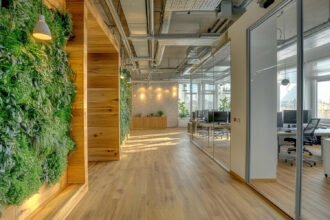
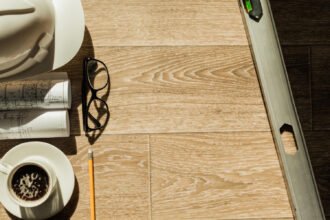
When it comes to achieving the perfect blend of luxury, warmth, and durability in your home, engineered hardwood flooring stands as a top choice for Canadians. Whether you’re renovating an existing space or building a new home, engineered hardwood brings both elegance and practicality to every room. Its versatility and resilience against Canada’s diverse climate make it a preferred flooring solution from Vancouver to Halifax.
In this comprehensive guide, we’ll explore everything you need to know about engineered hardwood installation in Canada—from the benefits of this flooring type and pre-installation preparation to professional installation techniques, maintenance, and why it’s an ideal investment for your home.
1. What Is Engineered Hardwood Flooring?
Engineered hardwood is a type of flooring that combines the beauty of real wood with superior structural stability. Unlike solid hardwood, which consists of a single piece of wood, engineered hardwood is made up of multiple layers. The top layer, called the veneer, is made from genuine hardwood, while the core layers are composed of plywood or high-density fiberboard.
This layered structure gives engineered hardwood excellent resistance to temperature fluctuations and humidity—two factors that are especially important in Canada’s variable climate.
2. Why Choose Engineered Hardwood in Canada?
Homeowners across Canada are increasingly opting for engineered hardwood because of its adaptability and value. Here are the top reasons it’s an excellent flooring choice:
a. Climate Adaptability
Canada experiences everything from dry winters to humid summers. Unlike solid wood, engineered hardwood resists warping and shrinking in these changing conditions.
b. Aesthetic Appeal
With a genuine hardwood veneer, engineered floors look just like solid wood. They come in various species—oak, maple, walnut, hickory, and more—allowing you to match any interior style.
c. Easy Installation
Engineered hardwood offers flexible installation options, including glue-down, nail-down, and floating methods, making it suitable for different subfloors and spaces.
d. Compatibility with Radiant Heating
Unlike solid hardwood, engineered flooring can be installed over radiant heating systems—perfect for Canadian homes that need extra warmth during long winters.
e. Eco-Friendly Choice
Because engineered hardwood uses less solid wood than traditional planks, it’s a more sustainable and environmentally responsible option.
3. Preparing for Installation
Before starting the installation process, proper preparation ensures the best results.
a. Acclimatization
Allow your engineered hardwood planks to acclimate in the room where they’ll be installed for at least 48–72 hours. This step balances moisture content between the flooring and the environment.
b. Subfloor Inspection
Your subfloor must be clean, dry, level, and structurally sound. Whether it’s concrete, plywood, or an existing surface, addressing imperfections beforehand prevents future issues like creaking or gaps.
c. Moisture Testing
Moisture is the enemy of hardwood. Always test for humidity levels—especially in basements or areas prone to dampness. Install a moisture barrier if necessary.
d. Tools and Materials Checklist
You’ll need:
-
Tape measure
-
Saw (for cutting planks)
-
Chalk line
-
Spacers
-
Adhesive (for glue-down method)
-
Underlayment (for floating floors)
-
Nails or staples (for nail-down method)
4. Installation Methods for Engineered Hardwood
Engineered hardwood offers multiple installation techniques to suit various spaces and subfloors.
a. Floating Installation
This is one of the most popular and DIY-friendly methods. The planks are connected using a click-lock mechanism and “float” over the subfloor without nails or glue.
Best for: Condos, basements, and rooms with radiant heat systems.
b. Glue-Down Installation
Here, the planks are glued directly to the subfloor using a high-quality adhesive. This method provides stability and reduces noise.
Best for: Concrete subfloors and commercial spaces.
c. Nail-Down Installation
In this method, each plank is nailed or stapled to a wooden subfloor. It’s a traditional approach that offers a secure, long-lasting fit.
Best for: Plywood subfloors and main-level installations.
5. Step-by-Step Engineered Hardwood Installation Process
Let’s walk through the general process:
-
Clean and Prep the Subfloor: Remove debris, dust, and ensure it’s level.
-
Lay the Underlayment: Roll out underlayment (if required) to reduce sound and moisture.
-
Plan the Layout: Measure the room, mark reference lines, and plan plank direction—typically parallel to the longest wall or light source.
-
Start Installing the Planks: Begin along the longest straight wall, using spacers to maintain a ¼-inch expansion gap.
-
Cut to Fit: Trim planks as needed to fit around corners, doorways, or edges.
-
Complete the Installation: Once all planks are in place, remove spacers, and install baseboards or moldings.
6. Professional Installation vs. DIY
While engineered hardwood installation can be DIY-friendly, professional installation ensures precision, especially for large or complex spaces.
Advantages of Hiring Professionals:
-
Expertise in handling moisture barriers and subfloor preparation.
-
Guaranteed alignment and minimal gaps.
-
Warranty protection for materials and workmanship.
When to Go DIY:
If you’re comfortable with tools and working on smaller rooms, the floating floor method can be an excellent DIY project.
7. Cost of Engineered Hardwood Installation in Canada
The cost depends on the quality of the flooring, installation method, and location.
| Installation Type | Estimated Cost (per sq. ft.) |
|---|---|
| Floating | $2.50 – $5.00 |
| Glue-Down | $3.50 – $7.00 |
| Nail-Down | $4.00 – $8.00 |
On average, professional installation ranges between $7 to $15 per square foot, including materials. However, prices can vary depending on your province and the complexity of your project.
8. Post-Installation Care and Maintenance
Proper maintenance helps your engineered hardwood floor last for decades.
a. Cleaning Tips
-
Use a microfiber mop or vacuum with a soft brush attachment.
-
Avoid excess water—moisture can damage the finish and core layers.
-
Use pH-neutral hardwood cleaners.
b. Preventive Care
-
Place rugs in high-traffic areas.
-
Use furniture pads to prevent scratches.
-
Maintain indoor humidity between 35–55%.
c. Refinishing Options
While the top veneer layer of engineered hardwood is thinner than solid wood, it can still be refinished once or twice depending on thickness. This extends the lifespan of your floors significantly.
9. Common Mistakes to Avoid
-
Skipping Moisture Testing: Leads to buckling or warping.
-
Ignoring Expansion Gaps: Floors need space to expand and contract with humidity.
-
Not Leveling the Subfloor: Uneven surfaces cause creaks and movement.
-
Using Harsh Cleaners: They can strip the finish and dull the surface.
10. Best Engineered Hardwood Brands in Canada
If you’re searching for premium quality flooring, Canada offers several trusted brands known for durability and craftsmanship:
-
Mercier Flooring – Canadian-made, eco-friendly options.
-
Goodfellow – Offers diverse wood species and finishes.
-
Torlys – Innovative click-lock systems and water-resistant options.
-
Lauzon Flooring – Known for premium Canadian maple and oak.
-
Provenza & Mirage – Renowned for elegant European-inspired designs.
11. Where to Install Engineered Hardwood
Engineered hardwood is suitable for almost every room—living areas, bedrooms, dining rooms, and basements. However, avoid installing it in full bathrooms or areas with constant moisture exposure.
Pro Tip: For basements, always add a moisture barrier to protect against dampness and ensure long-term stability.
12. Environmental Benefits
Choosing engineered hardwood supports sustainable forestry. Because it uses only a thin veneer of solid wood, it maximizes yield per tree while maintaining the beauty of natural timber. Many manufacturers in Canada also follow FSC (Forest Stewardship Council) certification standards.
13. Trends in Engineered Hardwood for Canadian Homes
-
Wide Planks: Offer a more open, luxurious aesthetic.
-
Matte Finishes: Hide scratches and look natural.
-
Neutral & Light Tones: Whites, greys, and beige tones remain popular.
-
Textured Surfaces: Wire-brushed and hand-scraped finishes add rustic charm.
These trends align perfectly with modern Canadian interior design, balancing minimalism with warmth.
14. Why Engineered Hardwood Is a Smart Investment
Beyond its beauty, engineered hardwood increases your home’s resale value. Buyers appreciate its premium look and long-lasting performance. With proper installation and maintenance, engineered floors can last 20–30 years or more.
15. Final Thoughts
Engineered hardwood flooring offers Canadian homeowners the ideal combination of style, resilience, and sustainability. Its ability to withstand temperature and humidity variations, paired with its luxurious natural appearance, makes it a perfect choice for any home environment—from urban condos to suburban houses.
Whether you opt for a professional installation or a DIY approach, following the right steps ensures your flooring remains beautiful and durable for years to come.
Investing in engineered hardwood installation in Canada means investing in timeless quality—bringing the warmth and beauty of natural wood into your living space, built to withstand the unique demands of the Canadian climate.