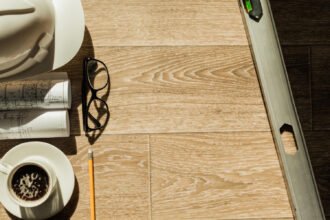
Choosing the right flooring for your home is one of the most important design decisions you’ll make. Flooring doesn’t just provide a foundation—it sets the tone for your entire space. Among all hardwood options, white oak hardwood flooring stands out as one of the most popular and reliable choices. Known for its strength, subtle beauty, and remarkable versatility, white oak hardwood has been a favorite in homes for centuries and continues to dominate modern interior trends.
In this post, we’ll take a deep dive into everything you need to know about white oak hardwood floors—from their features and benefits to design styles, installation, care tips, and cost considerations.
What is White Oak Hardwood Flooring?
White oak (Quercus alba) is a species of oak native to North America, widely used for flooring, furniture, and cabinetry. Compared to its cousin, red oak, white oak has a tighter grain, a cooler color tone, and greater durability. Its shades range from pale beige to medium brown, often featuring subtle grey undertones that complement a wide variety of design styles.
The wood’s straight grain and smooth texture create a clean and refined look that adapts beautifully to both traditional and modern interiors. This adaptability makes hardwood floor white oak an ideal option for homeowners who want a balance of elegance and practicality.
Key Benefits of White Oak Hardwood Flooring
White oak hardwood floors are prized for several qualities that make them superior to many other flooring choices:
1. Durability and Hardness
White oak has a Janka hardness rating of 1360, making it harder and denser than red oak. This means it resists dents and scratches better, making it ideal for households with children, pets, or heavy foot traffic.
2. Water and Moisture Resistance
Unlike red oak, white oak has a closed cellular structure, which makes it more resistant to water penetration. This added resistance makes it suitable for areas like kitchens, entryways, and even powder rooms where occasional moisture is expected.
3. Timeless Appearance
Its neutral, cool tones fit seamlessly into almost any décor. White oak doesn’t overpower a room; instead, it enhances it, providing a subtle yet elegant foundation.
4. Stain Versatility
White oak absorbs stain more evenly than red oak. From light, natural finishes to dark, rich tones, it can be customized to achieve any look you desire. Grey stains, whitewashed finishes, and matte sealants are especially popular with modern designs.
5. Longevity
With proper care, a white oak hardwood floor can last 50 years or more. It can be refinished multiple times, allowing you to refresh its appearance throughout the decades without replacing it.
6. Increased Home Value
Hardwood flooring, particularly white oak, is a selling point for homes. Buyers value its durability, timeless beauty, and adaptability, which can increase resale value.
White Oak vs. Red Oak Hardwood Flooring
When deciding between oak options, many homeowners compare white oak and red oak. Here’s how they stack up:
-
Color: White oak has cool beige, brown, and grey tones; red oak leans toward pinks and reddish hues.
-
Grain: White oak has a tighter, straighter grain for a sleek look, while red oak has a more open, wavy pattern.
-
Durability: White oak is denser and harder, offering better wear resistance.
-
Moisture Resistance: White oak’s closed grain gives it a natural advantage in water resistance.
For homeowners seeking a modern, versatile, and durable option, hardwood floor white oak is the superior choice.
Popular Styles of White Oak Hardwood Flooring
White oak hardwood floors are incredibly versatile, offering a wide range of finishes and design styles. Here are some of the most popular options:
1. Natural Finish White Oak
Highlighting the natural beauty of the wood, a clear finish enhances the warm beige and soft grey undertones. This works beautifully in Scandinavian, minimalist, or contemporary homes.
2. Wire-Brushed White Oak
This style adds texture by brushing away softer wood grains, leaving behind a weathered, rustic look. It’s ideal for farmhouse, coastal, or transitional interiors.
3. Wide Plank White Oak Flooring
Wide planks (5” or more) showcase the natural grain and create a modern, spacious feel. They’re highly popular in luxury homes and open-concept spaces.
4. Whitewashed and Grey Stains
For a light, airy aesthetic, many homeowners choose whitewashed or grey stains. These finishes are particularly trendy in coastal and urban chic designs.
5. Dark Stained White Oak
For a bold, sophisticated look, white oak can be stained in deep espresso, walnut, or ebony tones. This style works well in formal living rooms and traditional spaces.
6. Herringbone and Chevron Patterns
Patterned installations such as herringbone or chevron elevate white oak hardwood floors into a design statement. These layouts are elegant and timeless, perfect for upscale homes.
Where Can You Use White Oak Hardwood Flooring?
Thanks to its durability and moisture resistance, white oak hardwood floors are versatile enough for nearly any room:
-
Living Room: Offers a warm, inviting space for family and guests.
-
Dining Room: Adds elegance while holding up to heavy furniture.
-
Bedrooms: Creates a calm, cozy, and timeless atmosphere.
-
Hallways and Entryways: Withstands heavy foot traffic without losing beauty.
-
Kitchens: While extra care is required, white oak’s water resistance makes it suitable for kitchens compared to many other hardwoods.
Solid vs. Engineered White Oak Hardwood
When selecting hardwood flooring, you’ll need to decide between solid and engineered options:
Solid White Oak Hardwood
-
Made from a single piece of white oak.
-
Can be sanded and refinished multiple times.
-
Best for above-ground installations (not recommended for basements).
Engineered White Oak Hardwood
-
Consists of a white oak veneer over multiple layers of plywood.
-
More stable in fluctuating humidity and temperature.
-
Suitable for basements and homes with radiant heating.
Prefinished vs. Unfinished White Oak
You’ll also need to choose between prefinished and unfinished flooring:
-
Prefinished: Comes with a factory-applied finish, making installation faster and more convenient.
-
Unfinished: Installed raw and finished on-site, offering greater customization of color and finish.
Maintenance Tips for White Oak Hardwood Floors
To keep your hardwood floor white oak looking its best, follow these simple care tips:
-
Clean Regularly: Sweep or vacuum to remove dirt and grit that could scratch the surface.
-
Protect Against Water: Wipe up spills immediately and avoid excessive water during cleaning.
-
Use Area Rugs: Place rugs in high-traffic areas and mats at entryways.
-
Furniture Pads: Attach felt pads to the bottom of furniture to prevent scratches.
-
Refinishing: Every 7–10 years, refinishing can restore the floor’s original beauty.
Cost of White Oak Hardwood Flooring
The cost of hardwood floor white oak varies depending on type, grade, and finish:
-
Solid White Oak: $5 – $12 per square foot.
-
Engineered White Oak: $4 – $10 per square foot.
-
Installation: $3 – $8 per square foot.
Though not the cheapest option, white oak’s longevity and resale value make it a cost-effective investment.
White Oak Flooring in Modern Interior Design Trends
Designers love white oak because of its adaptability. Some current trends include:
-
Wide Plank Designs: Offering a spacious, modern feel.
-
Matte Finishes: Providing a contemporary, low-maintenance look.
-
Light and Natural Tones: Popular for Scandinavian and coastal interiors.
-
Pattern Installations: Herringbone and chevron remain timeless favorites.
Pros and Cons of White Oak Hardwood Flooring
Pros:
-
Extremely durable and long-lasting.
-
Resistant to moisture compared to other hardwoods.
-
Versatile in stain and finish options.
-
Can be refinished multiple times.
-
Neutral tones suit all design styles.
Cons:
-
More expensive than alternatives like laminate or vinyl.
-
Not completely waterproof.
-
Requires regular maintenance to stay in prime condition.
Final Thoughts
Hardwood floor white oak is a top-tier choice for homeowners who want both durability and timeless style. From its dense structure and moisture resistance to its versatile finishes and elegant appearance, white oak offers everything you could want in hardwood flooring. Whether you’re designing a modern loft, a cozy family home, or a luxurious estate, white oak provides a beautiful foundation that lasts for generations.
When you invest in white oak, you’re not just choosing flooring—you’re choosing a piece of nature’s artistry that enhances your living space with beauty, warmth, and sophistication.