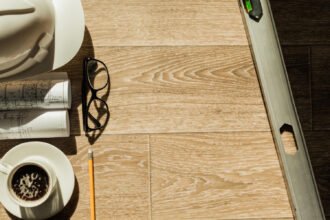
When it comes to choosing hardwood flooring, few options stand the test of time quite like white oak solid hardwood flooring. Known for its strength, durability, and timeless appeal, white oak continues to be one of the most sought-after flooring materials for both traditional and modern homes. Its natural beauty and versatile characteristics make it an investment that adds long-lasting value and charm to any living space.
In this post, we’ll explore everything you need to know about white oak hardwood flooring—its features, benefits, design possibilities, installation considerations, and maintenance tips.
What is White Oak Solid Hardwood Flooring?
White oak solid hardwood flooring is crafted from a single piece of oak wood, typically sourced from the white oak tree species (Quercus alba). Unlike engineered hardwood, which consists of multiple layers, solid hardwood is milled from one continuous plank of wood, giving it exceptional strength and authenticity.
White oak has been used in flooring, furniture, and boat building for centuries. Its closed grain structure makes it highly water-resistant compared to other hardwoods, including red oak. The wood typically features a smooth, uniform texture with a variety of grain patterns ranging from straight to slightly wavy.
The natural tone of white oak ranges from light beige to medium brown, with subtle gray undertones that make it more versatile in modern design trends. This adaptability has helped white oak remain a staple in both classic and contemporary interiors.
Key Features of White Oak Solid Hardwood Flooring
Before diving into why this flooring option is so popular, let’s look at its standout features:
-
Durability: White oak is a hard and dense wood, with a Janka hardness rating of about 1360, making it tougher than red oak and ideal for high-traffic areas.
-
Water Resistance: Its closed grain structure provides natural resistance to water and humidity, reducing the risk of warping and swelling.
-
Timeless Aesthetic: White oak’s neutral tones complement a wide range of interior styles, from rustic farmhouse to sleek modern.
-
Versatility in Stains: White oak absorbs stain evenly, allowing for a wide variety of finishes—from light natural looks to dark, rich tones.
-
Long Lifespan: Solid hardwood can be sanded and refinished multiple times, allowing homeowners to refresh its appearance for decades.
-
Sustainability: White oak is abundant in North America and often harvested responsibly, making it a more eco-friendly option.
Benefits of Choosing White Oak Hardwood Flooring
If you’re deciding between different hardwood options, here’s why white oak stands out:
1. Exceptional Durability
White oak’s density makes it highly resistant to dents, scratches, and everyday wear. This makes it a perfect choice for households with pets, children, or heavy foot traffic. Unlike softer woods, white oak maintains its integrity even after years of use.
2. Moisture Resistance
Compared to red oak, white oak offers better water resistance due to its tight grain structure. While no hardwood is completely waterproof, white oak is less likely to absorb moisture quickly, making it suitable for kitchens, entryways, and even powder rooms.
3. Aesthetic Flexibility
White oak’s neutral undertones allow it to work beautifully with a wide range of interior styles. Its natural color palette leans towards gray and beige, fitting seamlessly into contemporary, minimalist, or Scandinavian designs. At the same time, darker stains bring out its classic and traditional appeal.
4. Timeless Investment
Solid white oak flooring can last 80–100 years with proper care. Since it can be refinished multiple times, you can adapt it to evolving design trends without replacing the floor. This longevity also adds significant resale value to your home.
5. Eco-Friendly Material
White oak is one of the most common hardwood species in North America, making it a renewable and sustainable resource. Choosing FSC-certified white oak flooring ensures that it is harvested responsibly with minimal environmental impact.
Design Possibilities with White Oak Flooring
One of the biggest reasons homeowners choose white oak flooring is its design versatility. It can easily be tailored to match various interior themes. Here are some popular design approaches:
1. Natural Light Finishes
Natural and light finishes are a top trend today, showcasing the beauty of white oak’s subtle grain and neutral undertones. These finishes create a bright, airy atmosphere, perfect for modern and Scandinavian-inspired homes.
2. Dark and Rich Stains
White oak absorbs darker stains beautifully without blotching, making it an excellent choice for achieving deep espresso or ebony tones. This style works well in traditional and luxurious interiors.
3. Matte and Wire-Brushed Textures
Wire-brushed white oak enhances the grain patterns while adding a rustic charm. A matte finish helps reduce glare and enhances its natural look, ideal for farmhouse or industrial-style homes.
4. Herringbone and Chevron Patterns
White oak planks can be installed in sophisticated patterns like herringbone or chevron. These layouts add a touch of elegance and uniqueness to any room, particularly living rooms and entryways.
Installation Considerations
Installing white oak solid hardwood flooring requires professional skill to ensure longevity and performance. Here are a few things to keep in mind:
-
Subfloor Preparation: A clean, dry, and level subfloor is essential to prevent warping and gaps.
-
Acclimation: Solid hardwood needs time to acclimate to the home’s environment. Typically, planks should sit in the room for 5–7 days before installation.
-
Installation Methods: White oak flooring can be nailed, stapled, or glued depending on the subfloor and the type of installation.
-
Room Suitability: Solid hardwood performs best in climate-controlled environments. Avoid installing it in bathrooms or basements where moisture levels are high.
Maintenance and Care Tips
One of the reasons white oak hardwood remains popular is its relatively low maintenance compared to softer woods. Follow these tips to keep your floors in pristine condition:
-
Regular Cleaning – Sweep or vacuum with a soft-bristle attachment to remove dirt and grit that could scratch the surface.
-
Avoid Excess Water – Clean spills immediately and avoid wet mopping, as excessive moisture can damage the wood.
-
Protective Pads – Place felt pads under furniture legs to prevent scratches.
-
Humidity Control – Keep indoor humidity between 35–55% to prevent warping or cracking.
-
Refinishing – Every 10–15 years, sand and refinish your floors to restore their original luster.
White Oak vs. Red Oak Hardwood Flooring
Homeowners often wonder how white oak compares to red oak. While both are popular, here’s a quick comparison:
-
Color: White oak has cooler, neutral tones, while red oak has warmer, pinkish undertones.
-
Grain: White oak has a tighter, more uniform grain; red oak has a more pronounced grain pattern.
-
Durability: White oak is harder and more water-resistant than red oak.
-
Design Flexibility: White oak is better for contemporary and modern designs, while red oak complements traditional and rustic styles.
Cost Considerations
The cost of white oak solid hardwood flooring varies depending on grade, width, finish, and installation. On average, prices range from $6 to $12 per square foot, excluding installation costs. While it may be more expensive upfront compared to some alternatives, its long lifespan and timeless appeal make it a worthwhile investment.
Why White Oak Flooring is a Smart Choice
White oak solid hardwood flooring remains one of the most reliable, stylish, and durable flooring options available today. Its combination of natural beauty, resilience, and adaptability makes it a favorite among homeowners, designers, and builders alike. Whether you’re renovating your home or building a new one, white oak provides a flooring solution that will continue to look stunning for generations.
By choosing white oak, you’re not just investing in flooring—you’re investing in the character, warmth, and timeless elegance of your home.
Final Thoughts
If you want a floor that balances durability with classic beauty, white oak solid hardwood flooring is an exceptional choice. Its ability to adapt to various stains and styles ensures it never goes out of fashion. Combined with its long-lasting strength and eco-friendly appeal, it’s easy to see why white oak continues to be a top pick for homeowners who value both aesthetics and functionality.
Whether you prefer a light, modern look or a rich, traditional style, white oak solid hardwood flooring offers unmatched versatility and enduring quality. With proper care, it will serve as the foundation of your home’s design for decades to come.