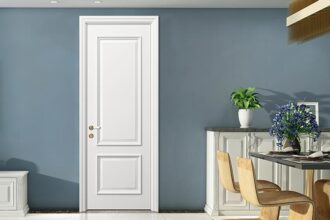
When it comes to choosing interior doors for modern homes and commercial spaces, one of the most popular options is the hollow core door. These doors have earned their reputation for being affordable, lightweight, and visually appealing — making them a preferred choice for homeowners, contractors, and builders alike. In this post, we’ll take an in-depth look at hollow core doors, their construction, advantages, disadvantages, installation tips, and how they compare to other door types.
What is a Hollow Core Door?
A hollow core door is an interior door that features a thin outer shell made from plywood, MDF, or hardboard, with an internal structure designed to keep it lightweight while maintaining reasonable strength. Unlike solid wood doors, which are made entirely from natural timber, hollow core doors have a honeycomb-like interior filled with cardboard or wood supports.
This design drastically reduces the weight and cost of the door, making it ideal for areas where sound insulation and high durability are not primary concerns — such as bedrooms, closets, or bathrooms in residential spaces.
Structure and Design of Hollow Core Doors
The construction of a hollow core door is a clever combination of materials that balance functionality and cost-effectiveness. Typically, the structure includes:
-
Outer Skin (Face Panels):
These are thin sheets made of plywood, MDF (medium-density fiberboard), or molded hardboard. They provide the door’s visible surface and can be finished with veneers, paint, or laminates. -
Core (Internal Structure):
The “hollow” core isn’t entirely empty. It usually contains a honeycomb cardboard or wooden lattice that supports the outer skins and prevents them from flexing or warping. -
Frame (Rails and Stiles):
Solid wood or composite material is used around the perimeter to give structural integrity. This frame also provides a place to install hinges, locks, and handles. -
Finish Layer:
Hollow core doors can be pre-finished, primed for painting, or laminated for a wood-like look. Some come with wood veneers for a natural appearance.
Advantages of Hollow Core Doors
Hollow core doors offer several benefits, making them an excellent option for interior use.
1. Affordability
One of the biggest advantages is cost. Hollow core doors are significantly cheaper than solid wood or solid core alternatives. They allow homeowners to install stylish doors throughout the house without overspending.
2. Lightweight Design
Because of their internal hollow structure, these doors are much lighter, which makes them easier to handle, install, and maintain. This feature is especially helpful for interior doors that need to be opened and closed frequently.
3. Easy Installation
Their lightweight nature makes hollow core doors simple to hang on standard hinges. They require less structural support, and most DIY enthusiasts can install them with basic tools.
4. Aesthetic Versatility
Modern hollow core doors come in various styles, finishes, and panel designs. Whether you prefer a smooth, painted surface or a woodgrain texture, you can easily find a design that complements your home décor.
5. Low Maintenance
Since the door’s surface is usually prefinished or painted, it’s easy to clean with mild soap and water. Unlike solid wood, hollow core doors are less susceptible to warping due to humidity changes.
6. Eco-Friendly Manufacturing
Many manufacturers use recycled or engineered materials to produce hollow core doors, reducing the need for natural wood and contributing to sustainability efforts.
Disadvantages of Hollow Core Doors
While they offer plenty of advantages, hollow core doors also have certain limitations to consider before purchasing.
1. Reduced Sound Insulation
Because of their hollow design, these doors are not ideal for noise reduction. They provide minimal soundproofing compared to solid wood or solid core doors, which can be a drawback in offices or shared spaces.
2. Limited Durability
Hollow core doors are more prone to dents, cracks, and damage if subjected to impact. They’re not suitable for high-traffic areas or exterior applications where strength and security are priorities.
3. Moisture Sensitivity
Although the outer layer is treated, moisture can still penetrate and cause swelling or delamination if exposed to high humidity or water over time.
4. Difficult to Modify
Unlike solid wood doors, trimming a hollow core door can be tricky. Cutting too much from the edges can compromise its internal structure.
Where to Use Hollow Core Doors
Hollow core doors are best suited for interior applications where sound insulation and heavy-duty performance aren’t major concerns. Common uses include:
-
Bedroom doors
-
Bathroom doors (if moisture-protected)
-
Closet and pantry doors
-
Utility room or hallway doors
-
Office interior partitions
Their affordability and lightweight construction make them perfect for multi-door installations throughout residential spaces.
Comparing Hollow Core Doors to Other Door Types
Let’s compare hollow core doors with solid core and solid wood doors to understand their unique place in the market.
| Feature | Hollow Core Door | Solid Core Door | Solid Wood Door |
|---|---|---|---|
| Weight | Light | Medium | Heavy |
| Cost | Low | Medium | High |
| Sound Insulation | Low | Moderate | Excellent |
| Durability | Moderate | High | Very High |
| Maintenance | Easy | Moderate | High |
| Best Use | Interior | Interior | Interior/Exterior |
| Finish Options | Paint, Laminate, Veneer | Paint, Veneer | Natural Wood, Stain |
From this comparison, it’s clear that hollow core doors are ideal for budget-friendly interior applications, while solid core or solid wood options are better suited for durability and acoustic control.
Installation Tips for Hollow Core Doors
Installing a hollow core door can be a straightforward project, even for DIY enthusiasts. Here are some essential tips for a smooth installation:
-
Measure Accurately:
Before cutting or trimming, ensure you have precise measurements for height, width, and hinge placement. -
Use Proper Hardware:
Lightweight doors don’t require heavy-duty hinges, but always use at least three hinges for standard-height doors. -
Cut Carefully:
If trimming is needed, only remove small amounts from the bottom or top (usually no more than ¼ inch). Cutting too much can expose the hollow interior. -
Seal the Edges:
If any internal honeycomb structure becomes exposed during trimming, seal it with wood filler or glue to prevent moisture damage. -
Apply a Finish:
Paint, stain, or laminate the surface to protect the outer material and improve its appearance.
Maintenance and Care Tips
Maintaining a hollow core door is relatively simple, but regular care can extend its lifespan and preserve its appearance:
-
Clean Regularly: Use a soft cloth and mild cleaner to remove dust and dirt.
-
Avoid Moisture Exposure: Keep the door dry and avoid excessive water during cleaning.
-
Inspect Hardware: Tighten screws on hinges and handles periodically to prevent sagging.
-
Touch-Up Paint: Small scratches can be easily repaired with matching paint or touch-up pens.
By following these steps, your hollow core door can remain in good condition for years.
Popular Finishes and Styles
Hollow core doors have evolved beyond simple, flat designs. Today, they come in a wide range of styles that mimic the appearance of solid wood doors. Some of the most popular finishes and styles include:
-
Smooth Painted Finish: Ideal for modern interiors and minimalist designs.
-
Woodgrain Veneer Finish: Offers the warmth and character of real wood without the cost.
-
Panel Designs: Raised panels, shaker styles, and molded patterns add dimension and elegance.
-
Laminated Finishes: Provide durability and resistance to scratches and stains.
Whether you prefer a classic, rustic, or contemporary look, there’s a hollow core door design to suit every interior theme.
Cost and Value
One of the strongest selling points of hollow core doors is their affordability. On average, a hollow core interior door costs between ₹2,000 to ₹6,000 (or $30 to $80 USD), depending on the design, finish, and size. This price makes them a great value for builders, landlords, and homeowners who need multiple doors for a property.
Additionally, since they are lightweight, shipping and installation costs are lower compared to solid wood doors.
Environmental Impact
In today’s eco-conscious world, sustainability is an important consideration. Hollow core doors often use engineered materials and recycled fibers, reducing deforestation and waste. Some manufacturers also produce low-VOC (volatile organic compound) finishes, contributing to better indoor air quality.
Choosing hollow core doors can thus be an environmentally friendly decision without compromising on appearance or performance.
Conclusion: Should You Choose a Hollow Core Door?
If you’re looking for a budget-friendly, stylish, and easy-to-install option for interior spaces, hollow core doors are an excellent choice. They combine modern aesthetics with functionality while keeping costs low. However, they’re best suited for interior use — not for areas where soundproofing, moisture resistance, or security are top priorities.
For homeowners, landlords, or builders seeking to balance cost and style, hollow core doors offer the perfect solution. With proper installation and maintenance, they can enhance the appearance of any room and serve reliably for years to come.
In summary, hollow core doors are a testament to how smart engineering and design can create affordable yet attractive interior solutions. They may not be as robust as solid wood doors, but for most everyday applications, they deliver unbeatable value, practicality, and beauty.