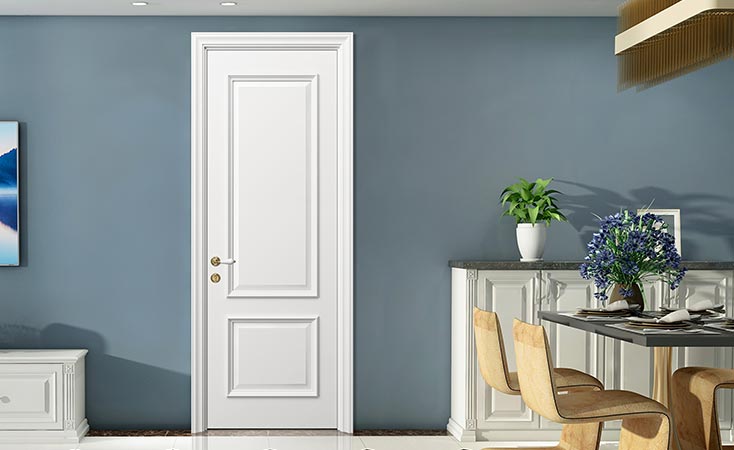
When it comes to upgrading or building a home, doors play a crucial role in both functionality and aesthetics. Among the many door options available today, prehung doors have become a popular choice for homeowners, builders, and renovators alike. Known for their convenience, precision, and professional finish, prehung doors simplify the installation process while enhancing the overall look of any space.
In this comprehensive guide, we’ll explore what prehung doors are, their benefits, types, materials, installation process, and how to choose the right prehung door for your home or commercial property.
What Are Prehung Doors?
A prehung door is a door that comes already mounted within its frame. It includes:
-
The door slab
-
The door frame (jambs)
-
Hinges pre-attached
-
Pre-cut hinge mortises
-
Often a pre-drilled hole for the door handle and lockset
Unlike slab doors, which require precise measurements, cutting, and hinge installation, prehung doors are ready to be installed as a complete unit. This makes them ideal for both new construction and renovation projects where an existing door frame needs replacement.
Why Choose Prehung Doors?
Prehung doors offer several advantages over traditional slab doors, making them a preferred option for many projects.
1. Easier Installation
Since the door comes already aligned within the frame, installation is faster and more accurate. This reduces labor time and minimizes installation errors.
2. Perfect Alignment
Factory-mounted hinges ensure the door opens and closes smoothly, eliminating common issues such as uneven gaps or sticking doors.
3. Ideal for New Construction
Prehung doors are especially suitable for new builds where wall framing is exposed and door frames are installed from scratch.
4. Improved Energy Efficiency
Exterior prehung doors often come with proper sealing and weatherstripping, helping reduce air leaks and improve insulation.
5. Professional Finish
Because everything is pre-assembled, the final result looks clean, polished, and professionally installed.
Types of Prehung Doors
Prehung doors are available in a wide range of styles and configurations to suit different spaces and purposes.
Interior Prehung Doors
Used inside the home, these doors separate rooms and provide privacy. Popular options include:
-
Bedroom doors
-
Bathroom doors
-
Closet doors
-
Office or study doors
Interior prehung doors typically focus on design and smooth operation rather than insulation.
Exterior Prehung Doors
Designed for entryways and outdoor access, exterior prehung doors offer enhanced durability, security, and weather resistance. These doors often include:
-
Weatherstripping
-
Thresholds
-
Energy-efficient cores
-
Reinforced frames
Common exterior options include front doors, patio doors, and side entry doors.
Materials Used in Prehung Doors
Choosing the right material is essential for durability, maintenance, and visual appeal.
Wooden Prehung Doors
Wood doors offer timeless beauty and warmth. Available in solid wood or engineered wood, they can be stained or painted to match any interior style. However, they may require more maintenance, especially in humid environments.
MDF and Composite Doors
Medium-density fiberboard (MDF) and composite doors are affordable, stable, and resistant to warping. They are commonly used for interior prehung doors and are easy to paint.
Fiberglass Prehung Doors
Fiberglass doors are highly durable, moisture-resistant, and energy-efficient. They are ideal for exterior use and can mimic the appearance of real wood.
Steel Prehung Doors
Steel doors provide excellent security and durability, making them a popular choice for exterior entry doors. They are low-maintenance and offer strong insulation.
Prehung Doors vs Slab Doors
Understanding the difference between prehung and slab doors helps you make the right choice.
| Feature | Prehung Doors | Slab Doors |
|---|---|---|
| Comes with frame | Yes | No |
| Installation | Easier | More complex |
| Cost | Slightly higher | Lower upfront |
| Alignment | Factory-set | Installer-dependent |
| Best for | New builds, replacements | Existing frames |
While slab doors may be cheaper initially, prehung doors often save time and labor costs in the long run.
How Prehung Doors Are Installed
Although professional installation is recommended, understanding the process helps homeowners prepare better.
Step 1: Measure the Opening
Accurate measurements of the rough opening are essential to ensure the prehung unit fits correctly.
Step 2: Prepare the Opening
The wall opening should be level, plumb, and free from debris or damage.
Step 3: Place the Prehung Door
The entire door-and-frame unit is positioned into the opening and adjusted for alignment.
Step 4: Secure the Frame
Shims are used to ensure the door is level and square before fastening it securely to the wall framing.
Step 5: Test and Finish
Once secured, the door is tested for smooth operation, followed by trim installation and final adjustments.
Choosing the Right Prehung Door
Selecting the right prehung door depends on several factors:
1. Purpose
Determine whether the door is for interior or exterior use. Exterior doors require stronger materials and insulation.
2. Style and Design
From modern minimalist to classic panel designs, choose a door that complements your interior or exterior décor.
3. Door Swing Direction
Prehung doors come as left-hand or right-hand swing options. Choosing the correct swing is crucial for functionality and space planning.
4. Size and Fit
Standard sizes are readily available, but custom prehung doors can be ordered for unique openings.
5. Budget
Consider both material cost and installation savings when budgeting for prehung doors.
Maintenance Tips for Prehung Doors
Proper maintenance ensures long-lasting performance:
-
Clean door surfaces regularly
-
Check hinges and screws for tightness
-
Repaint or refinish wooden doors when needed
-
Inspect weatherstripping on exterior doors annually
-
Lubricate hinges for smooth operation
Prehung Doors for Renovation Projects
Prehung doors are an excellent choice when replacing damaged frames or upgrading outdated doors. They eliminate the hassle of repairing or adjusting old frames and provide a fresh, modern look with minimal effort.
For older homes with uneven frames, prehung doors offer a practical solution by replacing the entire unit rather than trying to fit a new slab into an old structure.
Cost of Prehung Doors
The cost of prehung doors varies based on material, size, and design:
-
Interior prehung doors: Affordable and widely available
-
Exterior prehung doors: Higher cost due to insulation and security features
-
Custom prehung doors: Premium pricing for unique styles and sizes
While the initial cost may be higher than slab doors, the ease of installation and improved performance often make prehung doors a better investment.
Final Thoughts
Prehung doors offer a perfect balance of convenience, quality, and design. Whether you’re building a new home, renovating an existing space, or upgrading your interior or exterior doors, prehung doors provide a reliable and professional solution.
With their precise alignment, faster installation, and wide range of styles and materials, prehung doors are an excellent choice for homeowners and contractors looking for long-term value and performance. By choosing the right material, design, and installation method, you can enhance both the beauty and functionality of your space for years to come.